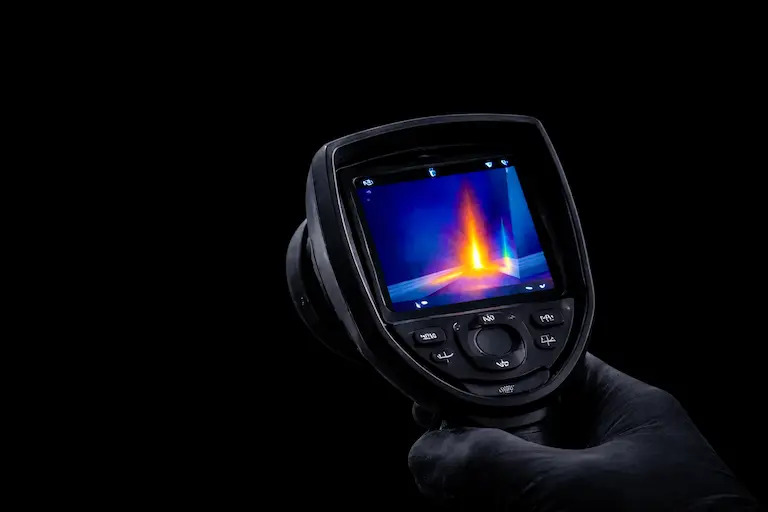


Borescope inspection allows us to visually access hidden areas such as pipework, cavities, ducts and voids without the need for destructive works. Using a flexible, high-definition camera, we can inspect internal conditions and identify defects, blockages or leaks that would otherwise remain concealed.
Articulated Borescope Inspection – North London
Borescope inspection allows us to visually access hidden areas such as pipework, cavities, ducts and voids without the need for destructive works. Using a flexible, high-definition camera, we can inspect internal conditions and identify defects, blockages or leaks that would otherwise remain concealed.
What is an Articulated Borescope Inspection?
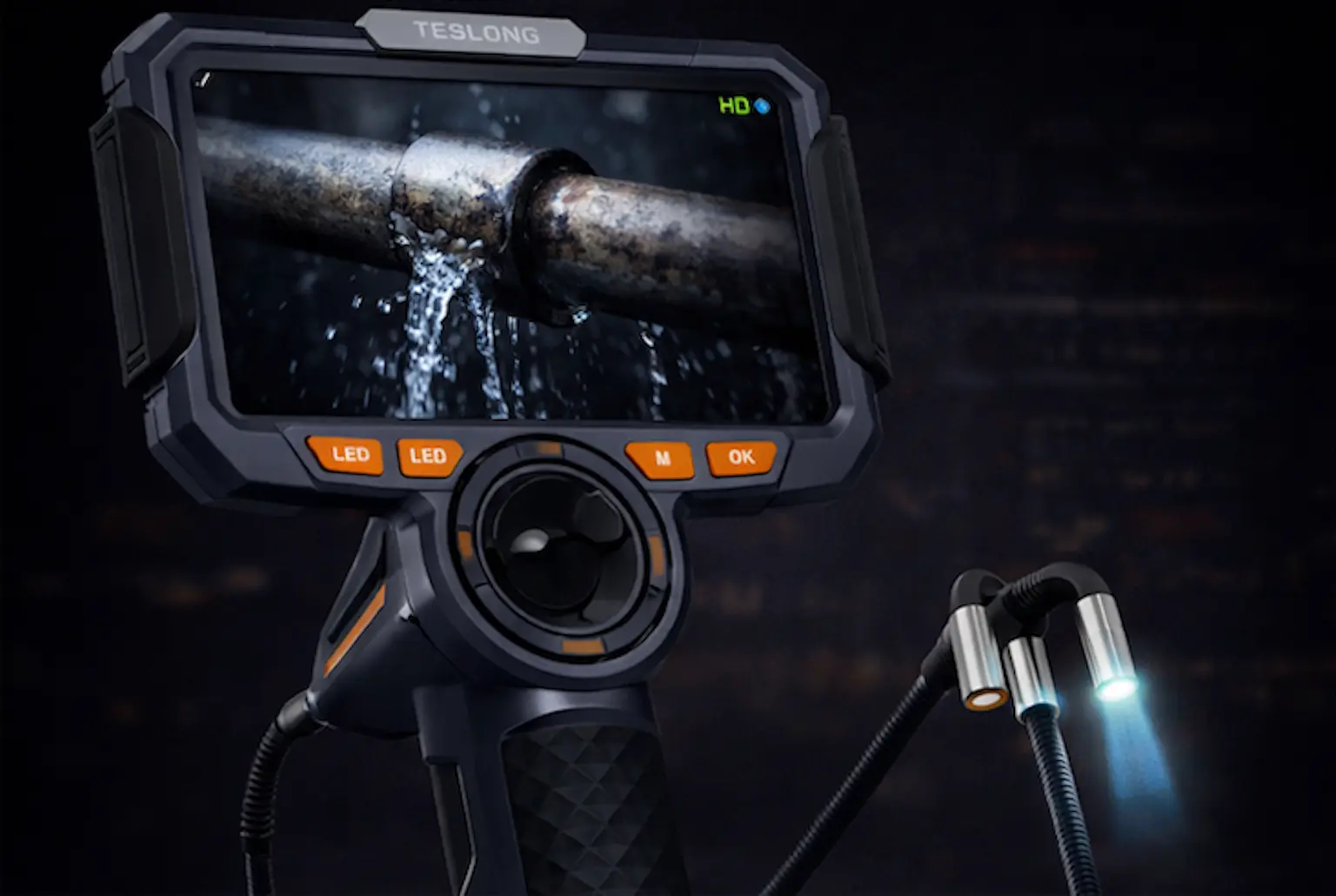
A borescope is a specialist inspection camera designed to access confined or concealed spaces. We use an articulated borescope system, which allows the camera tip to be actively controlled and steered during inspection. This provides a more targeted view inside pipework, wall cavities, ducts and other restricted spaces where a standard fixed camera may be limited.
This method is particularly useful where access is limited and traditional inspection methods would require unnecessary disruption.
When is this method used?
This method is particularly effective in situations where access is limited or where the route of pipework is not fully known. It allows us to confirm internal conditions and identify defects without unnecessary damage.
- Internal inspection of water supply pipes where leaks are suspected
- Investigating concealed pipe runs within walls, floors and ceilings
- Inspecting cavities behind kitchens, bathrooms and built-in units
- Checking for blockages, debris or deterioration within pipework
- Verifying the condition of pipe joints, fittings and connections
- Supporting investigations where previous methods have been inconclusive
How It Improves Leak Detection Accuracy
By providing direct visual confirmation, articulated borescope inspection removes uncertainty from the diagnosis process. Instead of relying solely on indirect indicators, we are able to see the internal condition of the system and identify the exact cause of the issue.
This is particularly valuable when used alongside other detection methods such as thermal imaging, tracer gas and acoustic testing, allowing findings to be confirmed before any repair work is carried out.
- Confirms the presence of leaks, damage or blockages
- Reduces unnecessary excavation or removal of finishes
- Allows more accurate planning of repair works
- Provides visual evidence for reporting and insurance purposes
Non-Invasive and Targeted Approach
The use of an articulated borescope allows for a highly controlled and non-invasive inspection. In many cases, only a small access point is require, avoiding the need for extensive disruption to the property.
This makes it an ideal solution for both domestic and commercial environments where maintaining finishes and minimising downtime is important.
Common scenarios we investigate
Articulated borescope inspection is useful where a direct visual inspection is needed but access is restricted. It helps confirm internal conditions without unnecessary opening up of walls, floors, ceilings or fitted units.
- Concealed pipework within walls, floors and ceiling voids
- Cavities behind bathrooms, kitchens and built-in furniture
- Suspected leaks around joints, fittings and hidden connections
- Internal pipe defects, corrosion or physical damage
- Blockages, debris or restrictions within accessible pipework
- Situations where other leak detection methods need visual confirmation
Limitations of Borescope Inspection
Borescope inspection is extremely useful for direct visual confirmation, but like any inspection method it depends on suitable access. If the probe
cannot be introduced into the area of concern, or if the route is obstructed, visibility may be limited.
For this reason, borescope inspection is often used alongside other non-invasive leak detection methods such as thermal imaging, tracer gas and
digital acoustic testing. This combined approach helps us build a clearer picture of the problem and confirm findings before repair work begins.
Why use professional articulated borescope inspection?
A professional articulated borescope provides far greater control than a basic fixed inspection camera. The steerable camera head can be guided
around bends, through confined spaces and toward specific areas of concern, allowing for a more precise and targeted inspection.
This reduces guesswork, limits unnecessary disruption and provides clear visual evidence to support diagnosis, reporting and repair planning. In
many cases, it allows us to confirm internal pipe or cavity conditions without the need for destructive exploratory works.
Where required, images and video footage can also support insurers, contractors or further specialist investigation.
Related leak detection services
We use a combination of specialist leak detection methods, selected based on the system and access available, to support the investigation.Each method is selected based on the specific conditions of the property to ensure accurate results with minimal disruption.
Articulated Borescope Inspection in North London
We provide articulated borescope inspection in North London for domestic properties, light commercial buildings and concealed plumbing systems. This service is particularly useful where pipework, cavities or hidden service routes need to be visually inspected with minimal disruption.
If access is limited and you need a clearer understanding of internal conditions before repair work begins, an articulated borescope inspection can provide targeted visual confirmation and support the wider leak detection process.
Our 3-Step Leak Detection Process
Schedule a Call & Fixed Price
- Quick call to understand the issue
- Online pre-assessment completed
- Clear fixed price agreed upfront
Leak Detection Inspection & Survey
- On-site inspection using specialist equipment
- Non-invasive methods where possible
- Accurate fault location identified
Report & Recommendations
- Detailed report with photos
- Clear findings and repair advice
- Quotation provided for next steps